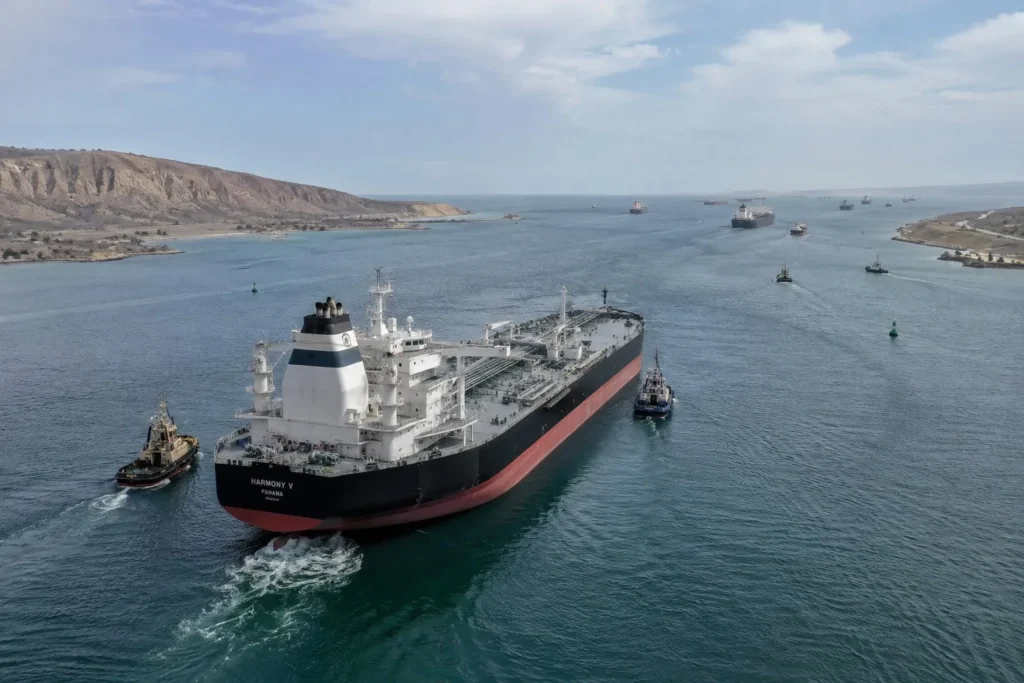
The recent escalation of geopolitical tensions in the Middle East has once again pushed the Strait of Hormuz — one of the most critical chokepoints in global trade — to the center of the agenda. Strategically vital for the world’s energy shipping and international logistics, this narrow waterway could create serious disruptions across global supply chains in the event of a closure or operational restrictions.
The Strategic Importance of the Strait of Hormuz
Connecting the Persian Gulf to the Gulf of Oman, the Strait of Hormuz is one of the main corridors through which a large share of the world’s oil and LNG trade passes. The maritime connectivity of major exporting countries such as Saudi Arabia, the United Arab Emirates, Qatar, Kuwait and Iraq depends largely on this passage.
Beyond energy, however, many commercial cargoes also reach world markets through the region’s ports, including:
- Petrochemical products
- Industrial raw materials
- Container shipments
- Food and consumer goods
Potential Effects on Global Logistics
Rising Freight and Operating Costs
A heightened risk environment in the region directly increases insurance costs and operational expenses in maritime transport. Additional charges such as the “war risk surcharge” in particular can cause significant rises in freight rates.
Longer Transit Times
As carriers are forced to divert to alternative routes, delays in transit times may occur. This situation can:
- Increase port congestion
- Slow down transshipment operations
- Cause disruptions in supply chains
An increase in air freight demand may also be expected, particularly for time-sensitive cargo.
The Impact of Energy Prices on Logistics
A potential rise in oil prices affects not only energy markets but every mode of transport in logistics:
- Fuel costs rise in road transport
- Air freight costs increase
- Bunker costs rise in maritime transport
These developments can be reflected directly in global trade costs.
Trieste’s Strategic Role
One of Italy’s most important logistics hubs, the Port of Trieste is a critical connection point in trade between Europe, the Middle East and Asia. Trieste offers a strategic advantage particularly in intermodal transport, transit cargo operations and European inland distribution networks.
A potential crisis in the Strait of Hormuz could also indirectly affect operations along the Mediterranean and Adriatic lines. For this reason, alternative routing and operations management in Europe-based logistics planning is becoming more important than ever.
At Eastlog, We Follow the Process Closely
Headquartered in Trieste, Italy, Eastlog closely monitors developments in global logistics markets and offers our customers flexible and sustainable logistics solutions suited to changing market conditions.
We continue to provide our customers with professional support in alternative planning, transit management and supply chain optimization across sea, road and intermodal transport operations.
In the face of developments in global trade, working with strong logistics partners who can take swift action has become more critical than ever for operational sustainability.